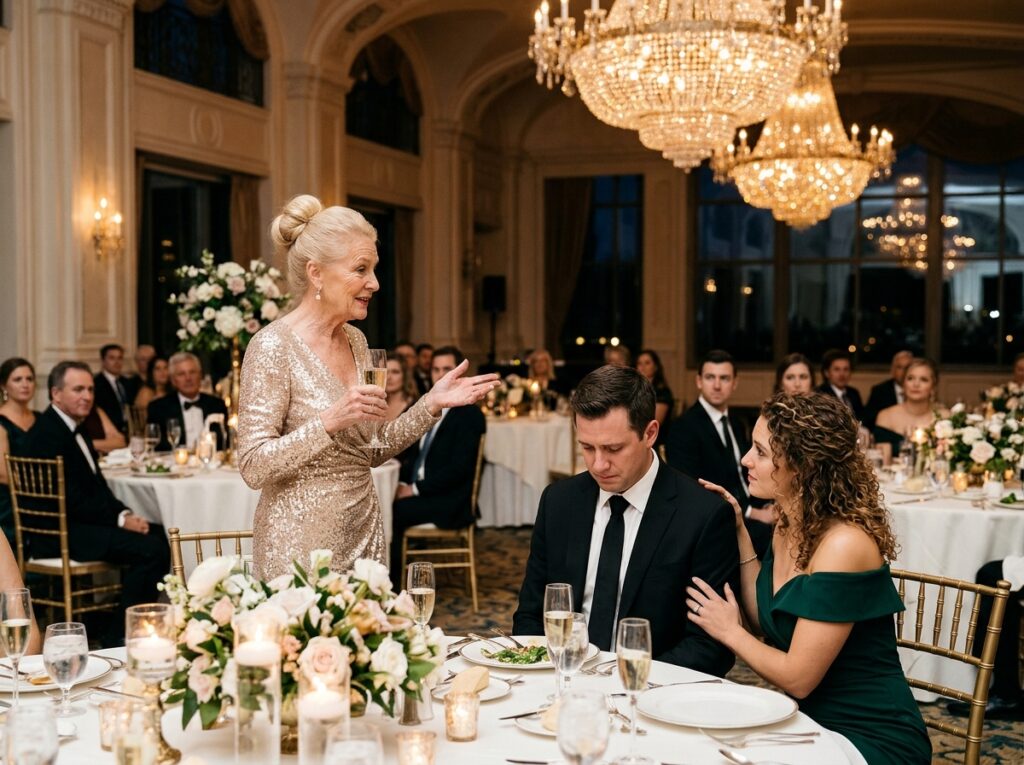
ÖT MILLIÓ DOLLÁRT ADTAK A LÁNYAIKNAK—AZTÁN MEGKÉRDEZTÉK A FÉRJEMET, KI GONDOSKODIK RÓLUK.001
22 October 2026 · bonnie
Old Mark would already have been reaching for his keys.
Old Mark would have driven forty minutes.
Except now there were fourteen hundred miles between intention and habit.
He couldn’t rescue them.
That physical fact forced a new answer.
“Call a plumber.”
“It will cost a fortune on a Sunday.”
“Mom.”
“What?”
“Call a plumber.”
She was quiet.
“Can’t you tell me what to do?”
“I can help you shut off the water, but someone needs to fix the leak.”
She sounded wounded.
“You used to do these things.”
There it was again.
Used to.
Mark looked at me.
“Yes,” he said. “I did.”
Eventually he talked her through finding the valve.
She called a plumber.
The house survived.
So did Patricia.
A month later, my father-in-law needed a ride to a medical appointment because Patricia had a migraine.
Susan arranged a car service.
In January, snow damaged part of the fence.
Rebecca found a contractor online and scheduled the repair.
In February, the garage door jammed again.
This time Patricia called the company whose service fee she had once considered ridiculous.
They fixed it.
Nobody died.
Nobody was abandoned.
The world did not end because Mark wasn’t there.
Something else happened too.
Susan began visiting more often.
Not constantly.
Not heroically.
But more.
Rebecca started organizing grocery deliveries after surgeries or illnesses.
My father-in-law learned to use a rideshare app.
Patricia discovered that several of her friends had teenagers and young adults who were thrilled to earn money helping with seasonal work.
A family system that had once rested on one person’s availability slowly redistributed itself.
Not because anyone had volunteered while Mark stood there doing everything.
Because he stepped away.
That was the part nobody tells dependable people.
Sometimes others don’t become capable until you stop being endlessly available.
BO
bonnie
Content published under this byline is prepared by our editorial team, drawing on a mix of original reporting, research, and AI-assisted drafting, with each piece reviewed before publication. Our focus is on delivering clear, accurate, and engaging coverage across the topics our readers care about most.